Advanced Thermal Storage CFD Modeling Techniques
Modern engineering solutions increasingly rely on computational tools to improve energy efficiency, system reliability, and indoor environmental quality. One of the most advanced methods used in energy systems analysis is thermal storage tank CFD modeling, which helps engineers simulate fluid flow, heat transfer, and temperature distribution inside storage tanks. At the same time, industries are adopting thermal comfort optimization CFD methods to ensure energy-efficient environments that improve occupant comfort in residential, commercial, and industrial spaces.
Thermal storage tanks are widely used in HVAC systems, solar energy systems, district cooling plants, and industrial thermal management. Using thermal storage tank CFD modeling, engineers can accurately predict thermal stratification, mixing behavior, and energy storage performance. This allows system designers to reduce energy waste while maximizing storage efficiency. Furthermore, integrating thermal comfort optimization CFD into building analysis enables designers to evaluate airflow, temperature gradients, humidity levels, and occupant comfort conditions before actual construction begins.
One of the main advantages of thermal storage tank CFD modeling is its ability to visualize internal thermal behavior in three dimensions. Traditional analytical methods often fail to capture complex turbulence and temperature variations inside storage systems. CFD simulations provide highly detailed insights into charging and discharging cycles, helping engineers improve tank geometry, inlet diffuser design, and insulation performance. In parallel, thermal comfort optimization CFD supports the design of comfortable indoor spaces by optimizing ventilation systems, air distribution, and cooling strategies to meet international comfort standards.
Energy efficiency has become a top priority for industries and governments worldwide. Through thermal storage tank CFD modeling, engineers can develop storage systems that reduce peak energy demand and improve renewable energy utilization. For example, chilled water thermal storage tanks in commercial buildings can store cooling energy during off-peak hours and use it later during high-demand periods. Similarly, thermal comfort optimization CFD helps architects and HVAC engineers create sustainable buildings by analyzing occupant comfort under varying environmental conditions. This reduces operational costs while enhancing productivity and user satisfaction.
Another important application of thermal storage tank CFD modeling is in renewable energy systems such as solar thermal plants. These systems require efficient heat storage mechanisms to maintain continuous operation even when solar radiation fluctuates. CFD simulations help identify thermal losses and improve heat retention capabilities. Alongside this, thermal comfort optimization CFD is increasingly used in green building projects to improve indoor air quality and thermal performance without excessive energy consumption. Engineers can simulate natural ventilation patterns and optimize HVAC layouts for better environmental performance.
Industries such as pharmaceuticals, food processing, and power generation also benefit significantly from thermal storage tank CFD modeling. Accurate thermal management is critical in these sectors because temperature inconsistencies can affect product quality and system safety. CFD tools enable engineers to study transient thermal behavior and prevent hotspots or inefficient mixing. Likewise, thermal comfort optimization CFD plays an essential role in industrial workplace design by ensuring safe and comfortable working conditions for employees exposed to high temperatures or confined spaces.
The integration of artificial intelligence and machine learning with thermal storage tank CFD modeling is opening new possibilities for predictive analysis and automated optimization. Advanced algorithms can rapidly evaluate multiple design configurations and identify the most energy-efficient solutions. At the same time, AI-driven thermal comfort optimization CFD allows real-time adjustments in smart buildings by monitoring occupancy patterns, weather conditions, and indoor environmental parameters. This combination of CFD and intelligent automation is transforming modern energy management systems.
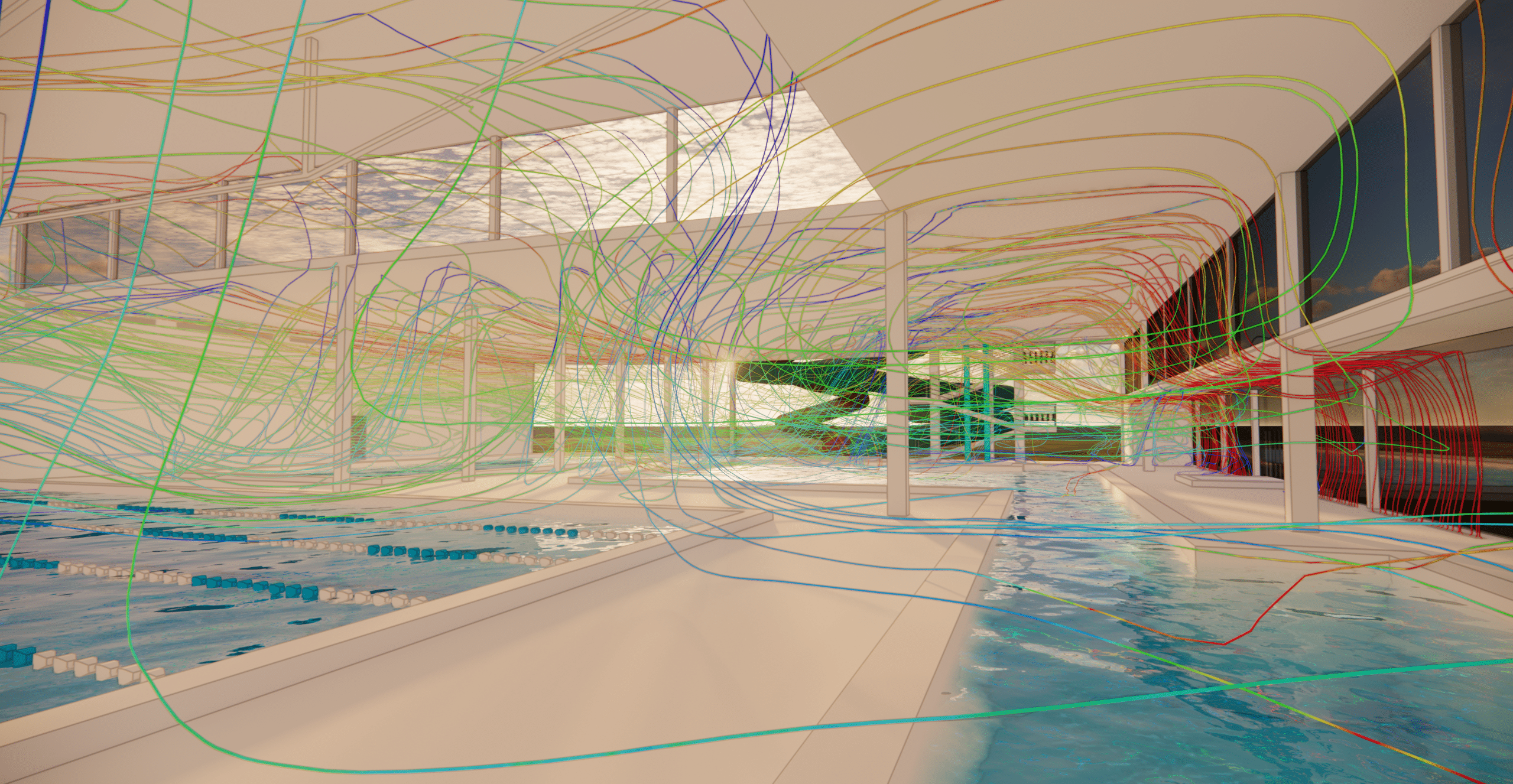
One of the challenges in thermal storage tank CFD modeling is achieving accurate simulation results while minimizing computational costs. High-resolution models require significant processing power and expertise in turbulence modeling, meshing, and boundary condition setup. However, advances in cloud computing and high-performance computing technologies are making CFD simulations more accessible and faster than ever before. Similarly, thermal comfort optimization CFD continues to evolve with better human thermal comfort models that account for metabolic rates, clothing insulation, and localized airflow effects.
As industries continue moving toward sustainability and energy efficiency, the importance of thermal storage tank CFD modeling will continue to grow. These simulations provide critical insights that improve thermal system performance, reduce operational costs, and support renewable energy integration. At the same time, thermal comfort optimization CFD ensures healthier and more comfortable indoor environments while lowering overall energy consumption. Together, these advanced CFD techniques are shaping the future of intelligent thermal management and sustainable engineering design.

Comments
Post a Comment