Advanced Smoke Extraction CFD Engineering Solutions
Modern buildings require highly efficient fire and ventilation systems to ensure occupant safety during emergencies. One of the most reliable approaches for designing these systems is smoke extraction CFD engineering, which helps engineers analyze smoke movement, temperature distribution, and airflow patterns inside complex structures. By using advanced computational tools, engineers can predict how smoke behaves during a fire event and create safer evacuation environments for people inside commercial, industrial, and residential buildings.
The increasing complexity of modern architecture has made traditional smoke management calculations less effective. This is where smoke control CFD simulation becomes essential for understanding real-world fire scenarios. Engineers can digitally recreate fire conditions and evaluate the performance of smoke extraction systems before actual installation. These simulations improve design accuracy, reduce operational risks, and help comply with international fire safety standards.
One of the major advantages of smoke extraction CFD engineering is its ability to model airflow in enclosed spaces such as tunnels, shopping malls, airports, warehouses, and underground parking facilities. During a fire incident, smoke spreads rapidly and reduces visibility, making evacuation difficult. Through CFD analysis, engineers can determine the ideal placement of exhaust fans, vents, and air inlets to ensure smoke is removed efficiently. The use of smoke control CFD simulation also allows designers to identify potential dead zones where smoke may accumulate and threaten occupant safety.
Fire safety consultants increasingly rely on smoke extraction CFD engineering because it provides detailed visual data that conventional methods cannot offer. CFD models generate three-dimensional representations of smoke propagation, helping stakeholders understand fire dynamics more clearly. These insights enable engineers to optimize smoke exhaust rates and improve system response times. In addition, smoke control CFD simulation supports performance-based fire engineering by validating whether a building’s smoke management system can maintain safe evacuation routes during emergencies.
Another significant benefit of smoke extraction CFD engineering is cost optimization. Traditional fire testing methods often require expensive physical prototypes and repeated modifications. CFD-based simulations reduce the need for large-scale testing by allowing engineers to evaluate multiple design alternatives digitally. Through accurate smoke control CFD simulation, project teams can minimize construction changes, reduce installation costs, and improve overall system efficiency before implementation begins.
Environmental conditions also play a critical role in smoke behavior, especially in large infrastructure projects. Wind pressure, ventilation systems, ceiling height, and structural geometry all influence smoke movement during a fire. With smoke extraction CFD engineering, engineers can analyze these variables under different scenarios to ensure reliable smoke extraction performance. Detailed smoke control CFD simulation helps in predicting temperature layers, toxic gas concentration, and airflow velocity, providing valuable data for emergency planning and building safety compliance.
Today, many international building codes encourage or require the use of CFD analysis in complex structures. Regulatory authorities recognize that smoke extraction CFD engineering offers scientifically validated safety assessments that improve fire protection design. Engineers use these studies to demonstrate that smoke management systems can maintain tenable conditions for evacuation and firefighter access. Similarly, smoke control CFD simulation supports compliance with standards related to smoke ventilation, mechanical exhaust systems, and life safety engineering.
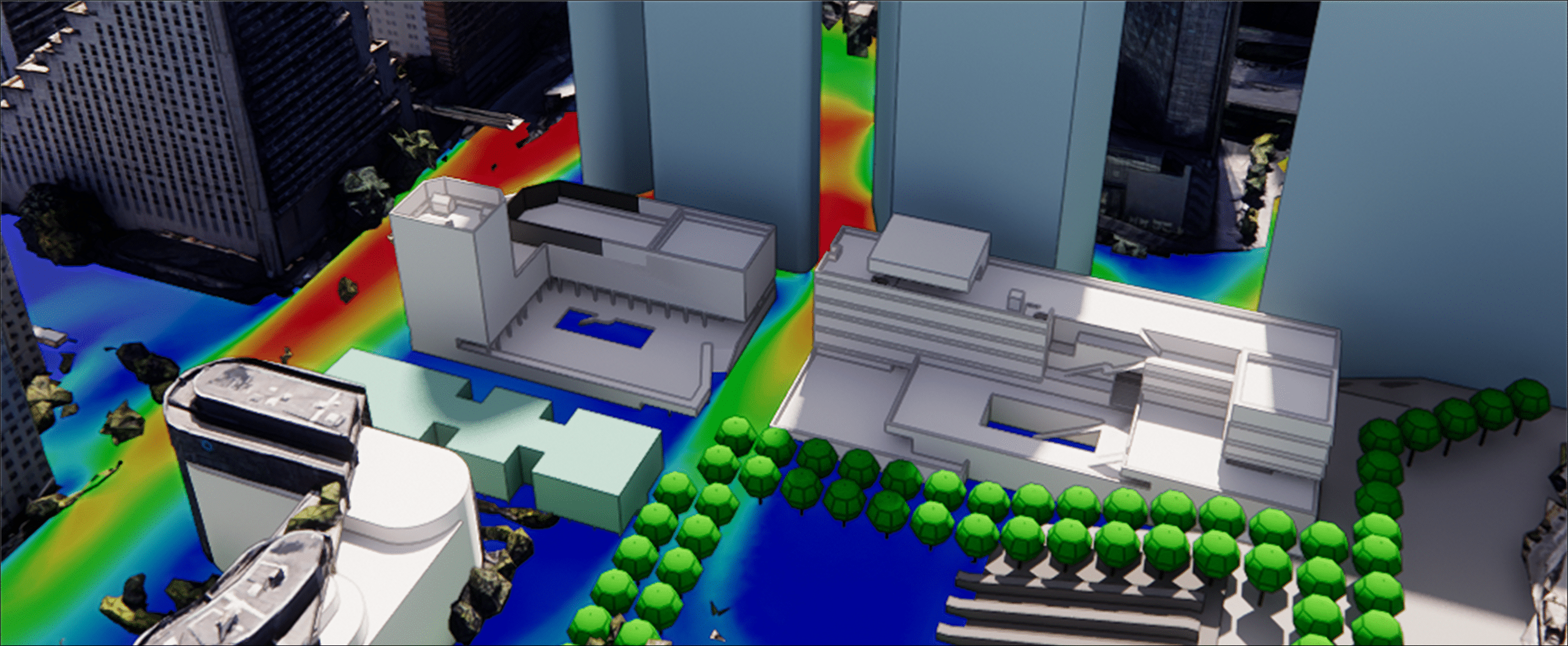
The future of fire protection technology is strongly connected with digital engineering and simulation-driven design. As buildings become taller and more architecturally advanced, the demand for smoke extraction CFD engineering will continue to grow across industries worldwide. Artificial intelligence, real-time monitoring systems, and advanced computational models are further enhancing the capabilities of modern smoke management analysis. Through innovative smoke control CFD simulation, engineers can now evaluate fire scenarios with greater precision and create safer, more resilient structures for the future.
In conclusion, effective smoke management is essential for protecting lives and property during fire emergencies. The integration of smoke extraction CFD engineering into building design provides accurate analysis, optimized ventilation strategies, and enhanced fire safety performance. At the same time, advanced smoke control CFD simulation allows engineers to predict smoke behavior under realistic conditions, ensuring safer evacuation and regulatory compliance. Together, these technologies are transforming the future of fire safety engineering and setting higher standards for building protection worldwide.

Comments
Post a Comment