Advanced Design Through CFD Smoke Engineering
Modern building safety relies heavily on precise airflow management during emergencies, particularly in fire scenarios where smoke poses the greatest risk to occupants. Engineers today use advanced computational methods to predict and control smoke behavior, ensuring safer evacuation and effective firefighting operations. One of the most reliable tools in this field is smoke extraction CFD engineering, which allows specialists to simulate real-world fire conditions and analyze smoke movement with high accuracy. By integrating this technology into the design phase, architects and engineers can proactively address potential hazards before construction even begins.
The core principle behind these systems is understanding how smoke travels under different environmental conditions such as temperature, pressure, and structural layout. Using smoke control CFD simulation, engineers can model airflow patterns within complex spaces like tunnels, shopping malls, and high-rise buildings. These simulations reveal how smoke accumulates, spreads, or gets extracted, enabling the creation of optimized ventilation strategies. This predictive capability reduces uncertainty and enhances the overall safety design, making it a critical part of modern fire engineering.
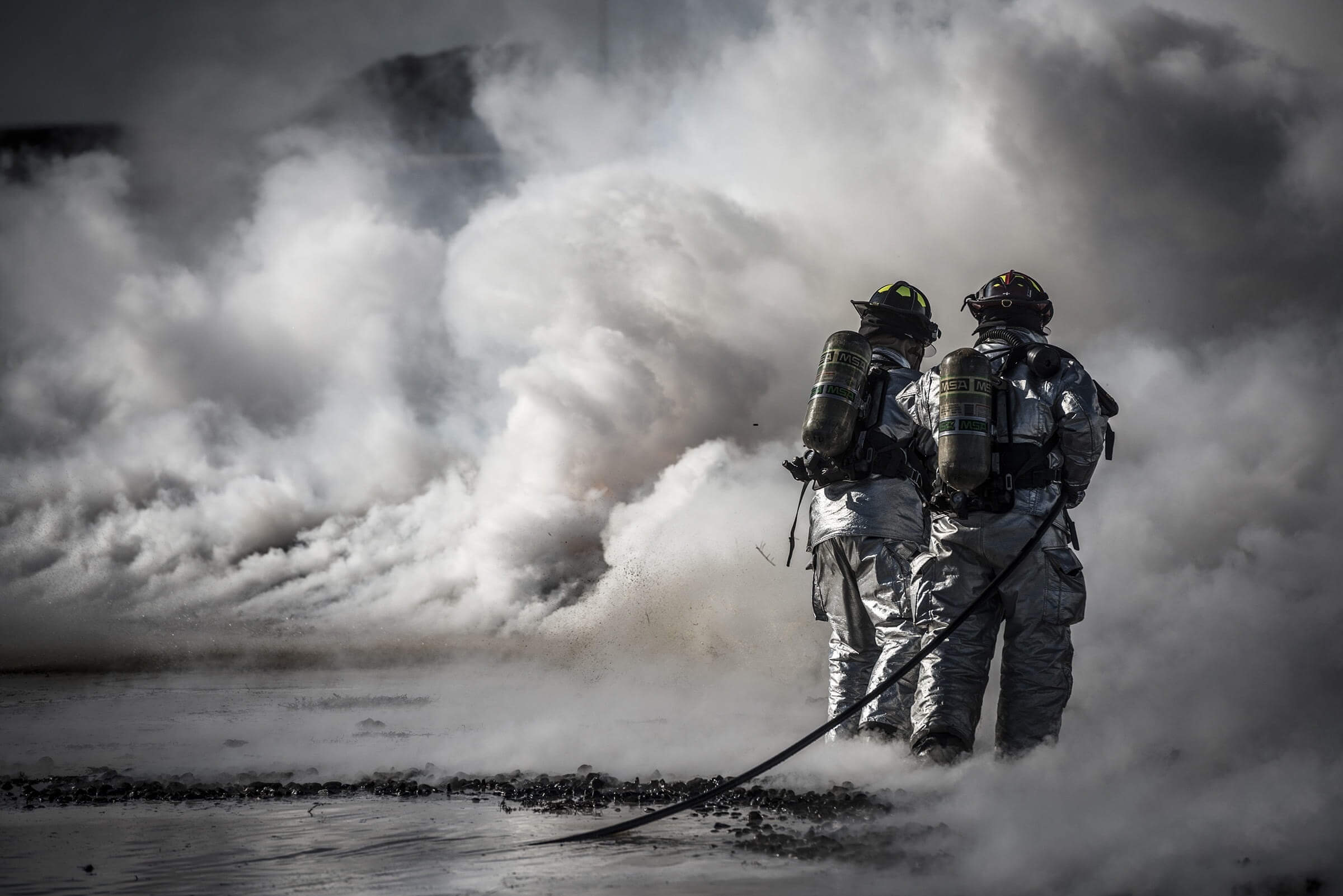
One of the key advantages of smoke extraction CFD engineering is its ability to test multiple scenarios without physical prototypes. Engineers can simulate different fire sizes, locations, and ventilation responses to determine the most efficient extraction system. This not only saves time and costs but also ensures compliance with international safety standards. With increasing building complexity, traditional design methods are no longer sufficient, and CFD-based approaches have become the industry standard for performance-based fire safety design.
In addition to safety, efficiency plays a crucial role in system design. Through smoke control CFD simulation, engineers can fine-tune the placement of exhaust fans, air inlets, and barriers to maximize performance while minimizing energy consumption. These simulations help avoid overdesigning systems, which can lead to unnecessary costs, or underdesigning, which could compromise safety. The balance achieved through CFD analysis ensures both economic and functional optimization in modern infrastructure projects.
Another important application of smoke extraction CFD engineering is in underground and enclosed environments such as parking garages and subway systems. These areas are particularly vulnerable because smoke can accumulate بسرعة and reduce visibility almost instantly. CFD tools allow engineers to visualize how smoke layers form and interact with ventilation systems, enabling them to design solutions that maintain clear escape routes. This level of detail is difficult to achieve with conventional calculation methods, highlighting the importance of simulation-driven design.
Furthermore, regulatory bodies increasingly recognize the value of smoke control CFD simulation in demonstrating compliance with fire safety codes. Instead of relying solely on prescriptive rules, many jurisdictions now accept performance-based designs supported by CFD analysis. This shift allows engineers more flexibility while maintaining strict safety requirements. Detailed simulation reports provide clear evidence of system effectiveness, making approval processes more transparent and efficient.
As technology continues to evolve, the capabilities of smoke extraction CFD engineering are expanding with the integration of artificial intelligence and real-time data analysis. These advancements enable faster simulations and more accurate predictions, further improving design reliability. Engineers can now incorporate dynamic factors such as human movement and changing fire conditions into their models, resulting in even more comprehensive safety solutions.
In conclusion, the role of smoke control CFD simulation in modern engineering cannot be overstated. It has transformed the way fire safety systems are designed, offering precision, flexibility, and reliability. By leveraging these advanced tools, engineers can create safer environments, protect lives, and meet the growing demands of complex architectural designs.

Comments
Post a Comment