Understanding Thermal Camera Technology Today
Thermal imaging has become one of the most innovative technologies in modern times, offering unique ways to visualize heat and energy. A thermal camera is a device that detects infrared radiation and converts it into an image visible to the human eye. Unlike regular cameras, it does not rely on visible light, making it extremely useful in complete darkness or through obstacles like smoke and fog. In the middle of modern advancements, the use of a thermal camera and infrared camera has transformed industries such as security, healthcare, and engineering by providing accurate temperature readings and heat patterns.
The working principle behind this technology is both simple and fascinating. Every object emits infrared radiation based on its temperature, and these devices capture that radiation to create a thermal image. This image displays temperature differences using various colors, helping users easily identify hot and cold spots. In practical applications, a thermal camera and infrared camera are often used to detect overheating equipment, electrical faults, or even human presence in low visibility environments, making them essential tools for professionals.
One of the biggest advantages of using this technology is its application in safety and surveillance. Security agencies and military forces rely heavily on these devices for night vision and monitoring purposes. Since they can detect heat signatures, they are effective in locating people or animals even in total darkness. In emergency situations such as fires, firefighters use a thermal camera and infrared camera to see through smoke, locate trapped individuals, and identify hotspots, which significantly improves rescue operations and reduces risks.
In the field of healthcare, thermal imaging is gaining attention for its non-invasive diagnostic capabilities. Doctors and medical professionals use it to detect abnormalities in body temperature, which may indicate inflammation or underlying health conditions. For example, a thermal camera and infrared camera can help identify circulation issues or muscle injuries without direct contact, offering a safer and faster method for initial assessments compared to traditional techniques.
Industrial and commercial sectors also benefit greatly from this technology. Maintenance teams use thermal imaging to inspect machinery and prevent costly breakdowns by identifying heat-related issues early. In construction, it helps detect insulation problems, water leaks, and structural weaknesses. By integrating a thermal camera and infrared camera into routine inspections, businesses can improve efficiency, reduce downtime, and ensure safety standards are maintained.
Another growing area of use is in environmental monitoring and wildlife observation. Researchers utilize thermal imaging to study animal behavior without disturbing their natural habitat. It is also used in agriculture to monitor crop health and irrigation efficiency. With the help of a thermal camera and infrared camera, farmers can identify stressed plants and optimize resource usage, leading to better productivity and sustainable farming practices.
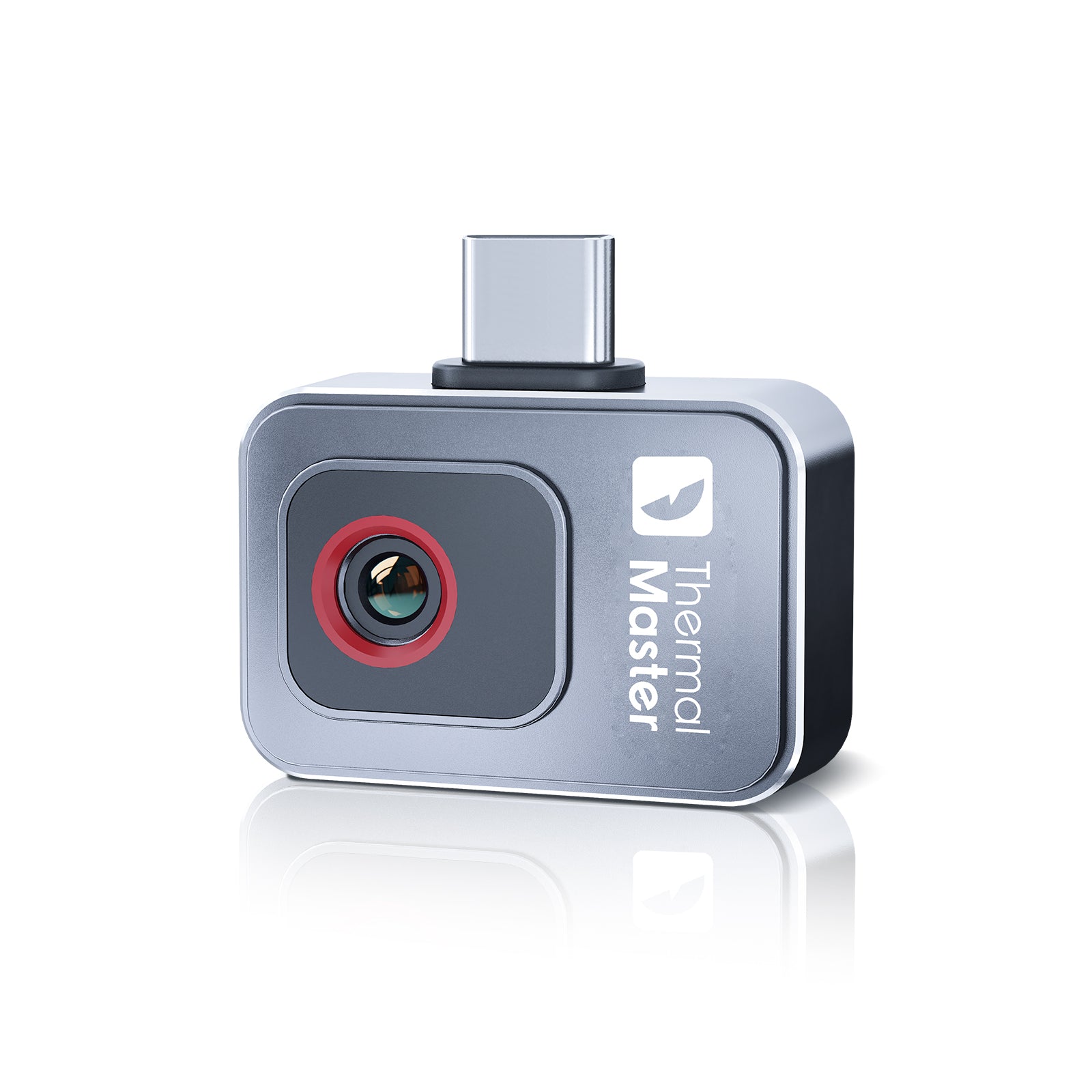
Despite its many advantages, there are some limitations to consider. Thermal imaging devices can be expensive, and their accuracy may be affected by environmental conditions such as rain or reflective surfaces. Additionally, interpreting thermal images requires proper training and experience. However, as technology continues to evolve, modern thermal camera and infrared camera systems are becoming more affordable and user-friendly, making them accessible to a wider audience.
In conclusion, thermal imaging technology is revolutionizing the way we see and understand the world around us. From enhancing security to improving healthcare and industrial efficiency, its applications are vast and continuously expanding. The growing use of a thermal camera and infrared camera highlights their importance in today’s technology-driven society, proving that the ability to see heat is not just a scientific breakthrough but a practical solution for many real-world challenges.

Comments
Post a Comment