Understanding Modern Thermal Camera Technology
A thermal camera is a powerful imaging device that detects heat rather than visible light, making it extremely useful in various industries. Unlike traditional cameras, it captures infrared radiation emitted by objects and converts it into a visual image. This allows users to see temperature differences clearly, even in complete darkness. In the middle of many professional applications, the use of a thermal camera has become essential for safety and efficiency. Similarly, the concept of cam thermal technology is widely recognized for its accuracy in detecting heat patterns in real-time.
In industrial settings, a thermal camera plays a crucial role in predictive maintenance and fault detection. Engineers use these devices to identify overheating machinery, electrical faults, and insulation failures before they become serious issues. This not only saves money but also prevents accidents. When integrated into systems, the cam thermal solution offers continuous monitoring and helps maintain operational safety. Businesses increasingly rely on a thermal camera to enhance productivity while reducing downtime.
In the field of security and surveillance, the thermal camera is a game-changer. It allows security personnel to detect intruders in low-light or no-light conditions, making it highly effective for night monitoring. Whether it is border security, wildlife observation, or home protection, a thermal camera provides unmatched visibility. The advanced features of cam thermal systems also include motion detection and automatic alerts, making them a preferred choice for modern security solutions.
Healthcare is another area where the thermal camera has proven to be extremely beneficial. During health screenings, especially in crowded places, these cameras are used to detect elevated body temperatures quickly. This became particularly important during global health crises, where early detection was critical. The use of cam thermal devices in hospitals and public spaces has made temperature screening faster and more efficient. A thermal camera ensures non-contact measurement, reducing the risk of infection.
Firefighting operations also depend heavily on the thermal camera for saving lives and property. Firefighters use these cameras to see through smoke, locate victims, and identify hotspots within burning buildings. This ability significantly improves rescue operations and reduces response time. The innovation behind cam thermal technology allows firefighters to navigate dangerous environments safely. A thermal camera becomes an essential tool in life-threatening situations.
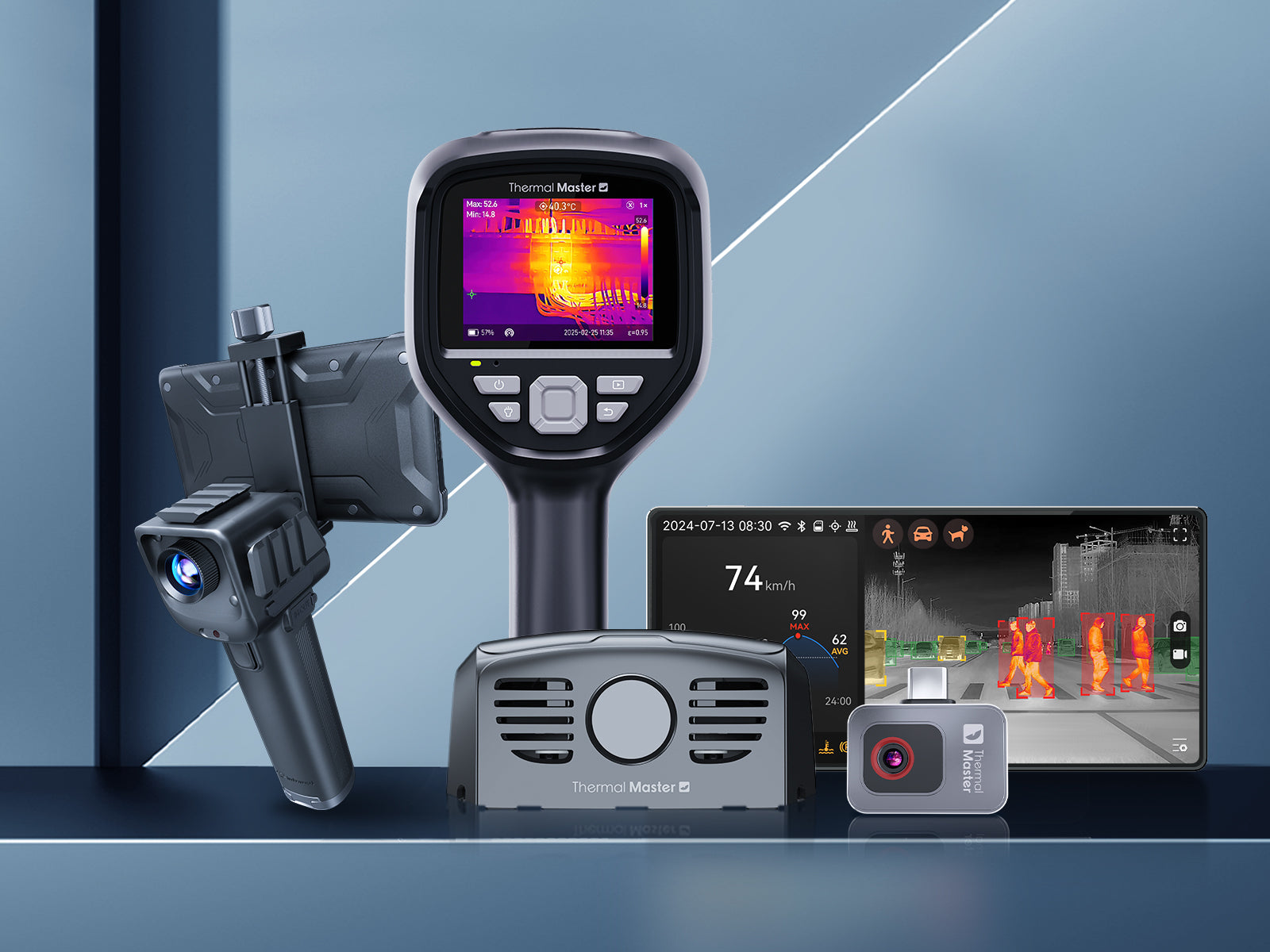
In construction and building inspection, a thermal camera helps identify structural issues such as heat loss, moisture intrusion, and insulation gaps. Builders and inspectors use these insights to improve energy efficiency and ensure building safety. The application of cam thermal tools makes it easier to detect hidden problems that are not visible to the naked eye. By using a thermal camera, professionals can deliver more accurate assessments and better solutions.
In conclusion, the thermal camera is a versatile and essential tool across many industries. Its ability to detect heat and provide clear imaging in challenging conditions makes it highly valuable. From industrial maintenance to healthcare, security, firefighting, and construction, the use of cam thermal technology continues to grow. As advancements continue, the thermal camera will become even more efficient and accessible, making it an indispensable part of modern technology.

Comments
Post a Comment