Power and Uses of Infrared Cameras
Infrared technology has transformed the way we observe and analyze the world, especially in conditions where normal vision fails. An infrared camera is designed to capture heat signatures instead of visible light, allowing users to detect temperature differences across surfaces. This capability makes it highly useful in various industries such as security, healthcare, and construction. In the middle of many applications, the infrared camera plays a vital role by providing clear thermal images, while a cam thermal device ensures accurate detection even in complete darkness or through smoke and fog.
One of the most significant benefits of using an infrared camera is its ability to function effectively in low-light or no-light environments. Unlike traditional cameras, it does not rely on visible light, making it perfect for night surveillance and wildlife observation. Security professionals often rely on this technology to monitor large areas without being detected. In many cases, the infrared camera helps identify intruders based on body heat, while a cam thermal system enhances the clarity of these detections, ensuring better safety and monitoring outcomes.
In the field of healthcare, infrared cameras are becoming increasingly important for non-invasive diagnostics. They can detect abnormal temperature patterns in the human body, which may indicate underlying health issues such as inflammation or poor blood circulation. Doctors and medical professionals use the infrared camera to perform thermal screenings, especially during situations like pandemics. At the same time, a cam thermal tool allows for quick and efficient scanning of multiple individuals, reducing the risk of physical contact and improving patient safety.
The construction and maintenance industry also benefits greatly from infrared technology. Engineers use these cameras to identify heat leaks, insulation problems, and electrical faults within buildings. By detecting temperature variations, the infrared camera helps locate issues that are invisible to the naked eye, saving time and repair costs. Similarly, a cam thermal device is often used to inspect machinery and electrical systems, preventing potential failures and ensuring smooth operations.
Another important application of infrared cameras is in firefighting and rescue missions. Firefighters use this technology to see through smoke and locate trapped individuals in burning buildings. The infrared camera allows them to identify heat sources quickly, which can be crucial in life-saving situations. Alongside this, a cam thermal system helps in navigating through hazardous environments by highlighting temperature differences, making rescue operations more efficient and safer.
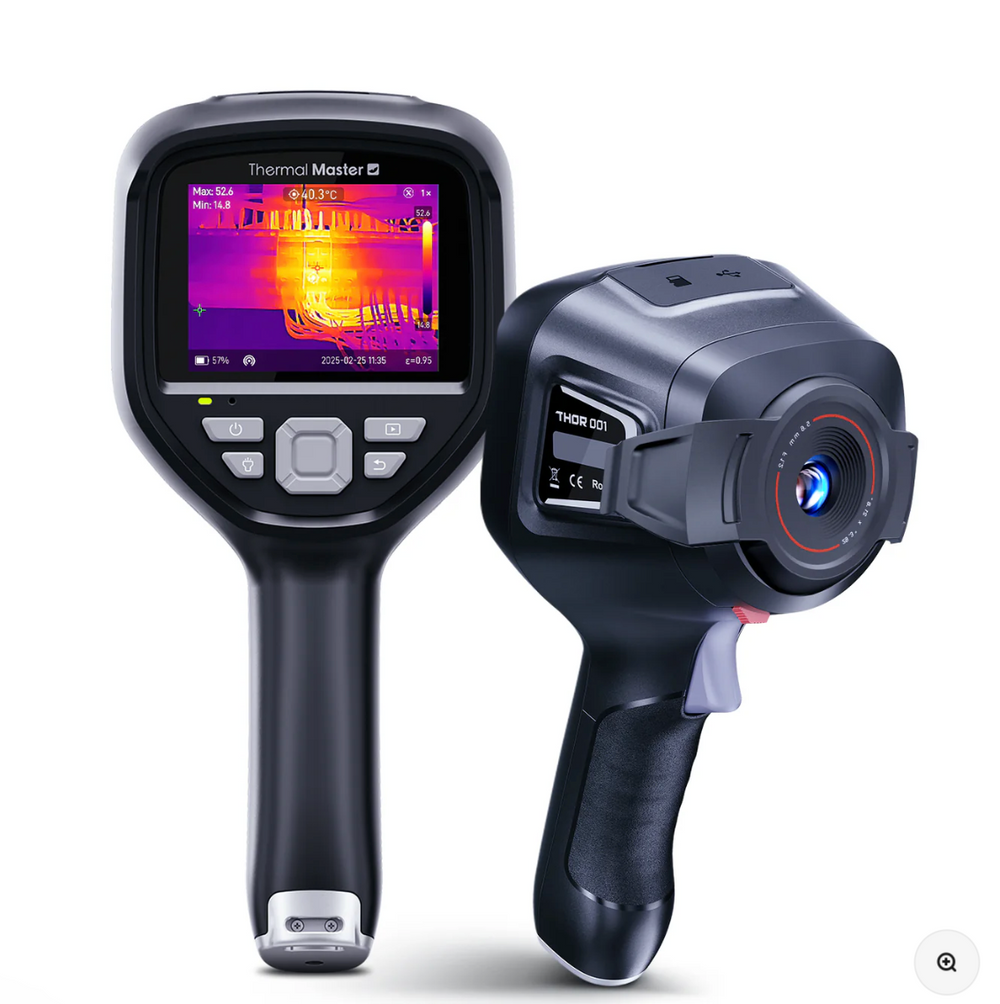
Infrared cameras are also widely used in the automotive industry, particularly in advanced driver assistance systems (ADAS). These cameras help drivers detect pedestrians, animals, and obstacles in low-visibility conditions such as fog or nighttime driving. The infrared camera enhances road safety by providing real-time thermal imaging, while a cam thermal component ensures that critical objects are detected early, reducing the chances of accidents.
In conclusion, infrared cameras have become an essential tool across multiple industries due to their unique ability to detect heat and operate in challenging environments. From security and healthcare to construction and automotive safety, the infrared camera continues to revolutionize modern technology. At the same time, a cam thermal device complements its functionality by offering precise and reliable thermal imaging. As technology continues to advance, the importance and applications of infrared cameras are expected to grow even further, making them an indispensable part of our daily lives.


Comments
Post a Comment