Shaping Sustainable Production Through Advanced CNC Manufacturing Models
The Changing Landscape of Precision Manufacturing
Manufacturing has entered a period of transformation where flexibility, efficiency, and environmental responsibility are no longer optional but essential. As markets become more dynamic and customer expectations evolve, producers must adapt their processes to deliver high-quality outputs without excessive waste or long lead times. Computer Numerical Control technology has emerged as a cornerstone of this evolution, enabling manufacturers to respond swiftly to changing demands while maintaining consistent precision. The modern factory is no longer defined solely by scale, but by its ability to balance innovation, cost control, and customization in a competitive global environment.
Why Mid-Scale Production Matters More Than Ever
For many industries, the space between prototyping and mass production has become the most strategic zone. Businesses often need more than a few samples but less than millions of units, especially when testing new designs or serving niche markets. This is where CNC mid MOQ manufacturing becomes highly relevant. By allowing manufacturers to produce moderate quantities with industrial-grade accuracy, this approach reduces financial risk and shortens the time from concept to market. It supports experimentation without locking companies into inflexible, large-scale commitments, which is particularly valuable in fast-moving sectors such as furniture, interior design, and architectural components.
Precision Technology as a Driver of Efficiency
CNC systems are renowned for their ability to execute complex designs with remarkable repeatability. Every movement is guided by digital instructions, eliminating much of the variability associated with manual processes. This precision directly impacts efficiency, as materials are used more effectively and errors are minimized. Over time, these efficiencies translate into cost savings and improved sustainability. When machines operate with optimal programming and calibration, they reduce scrap rates and energy consumption, supporting long-term operational goals that align with both economic and environmental priorities.
Customization Without Compromising Consistency
One of the most compelling advantages of CNC-driven processes is the ability to customize products without sacrificing consistency. Modern consumers often seek personalized or design-specific solutions, whether for residential spaces or commercial projects. CNC technology enables manufacturers to adjust dimensions, patterns, and finishes digitally, ensuring each piece meets exact specifications. Even when designs vary, the underlying process remains stable, delivering uniform quality across every unit. This balance of individuality and reliability is reshaping expectations across multiple industries.
The Role of Europe in Advanced Wood Production
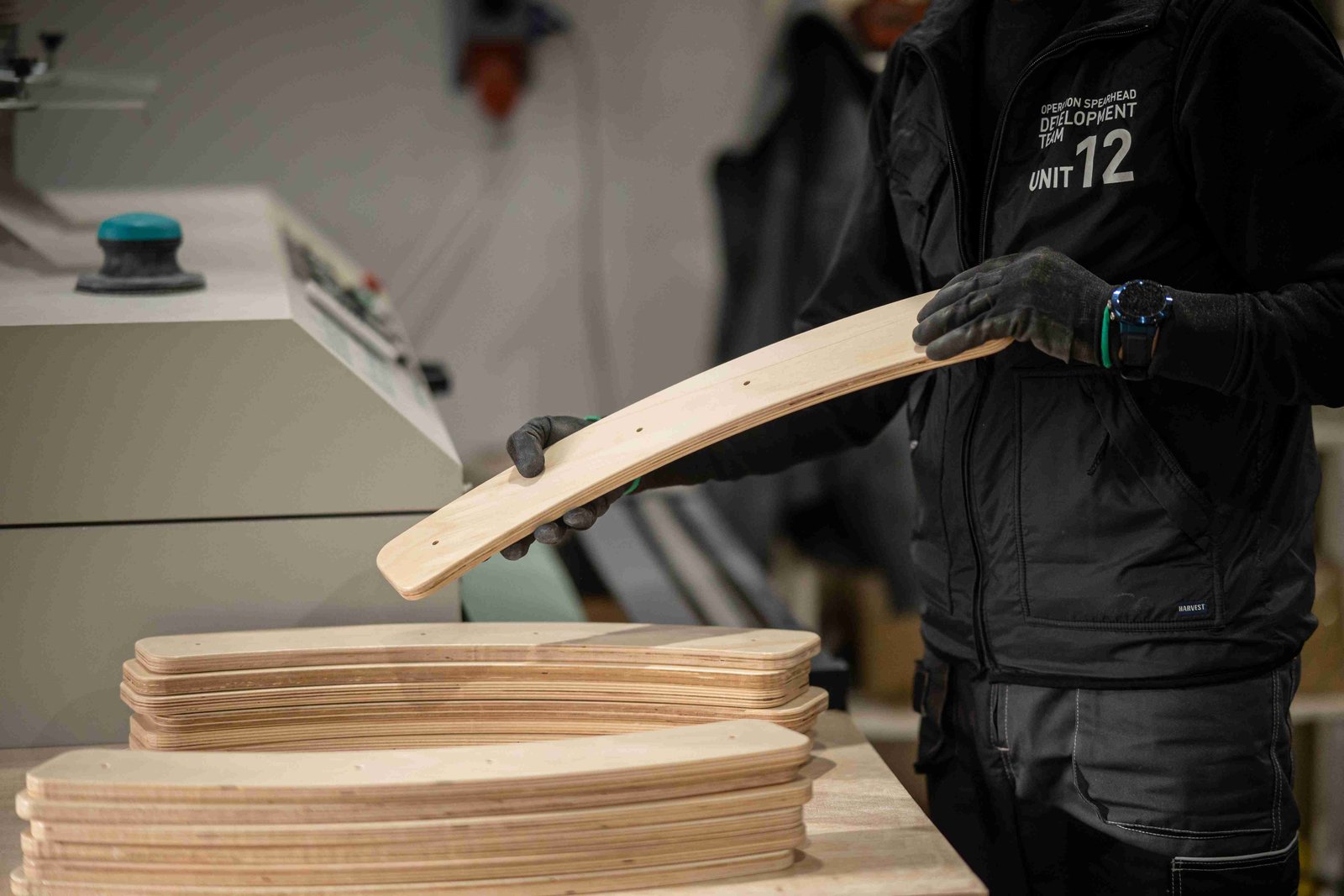
Europe has long been associated with craftsmanship, particularly in wood-based industries. Today, that heritage is complemented by advanced automation and digital manufacturing techniques. CNC wood manufacturing EU reflects a regional focus on combining traditional material knowledge with modern production standards. The result is a manufacturing ecosystem that emphasizes precision, durability, and responsible sourcing. By integrating CNC systems into wood production, manufacturers can achieve intricate detailing, efficient material usage, and consistent finishes that meet stringent quality and environmental regulations.
Sustainability Through Smarter Manufacturing Choices
Sustainability is no longer a marketing trend; it is a business imperative. CNC technology contributes to greener manufacturing by optimizing cutting paths and reducing waste. Digital simulations allow manufacturers to test processes before physical production begins, further minimizing unnecessary material use. In wood production especially, precise machining helps maximize yield from each piece of raw material. Over time, these practices support responsible resource management while also appealing to environmentally conscious consumers who value transparency and efficiency.
Strengthening Supply Chains with Flexibility
Global supply chains have faced significant disruptions in recent years, highlighting the importance of adaptable production models. CNC-based manufacturing supports resilience by enabling localized or regional production without compromising quality. Manufacturers can adjust output volumes quickly in response to demand fluctuations, reducing dependency on distant suppliers. This flexibility not only shortens delivery times but also enhances collaboration between designers, engineers, and producers, fostering innovation through closer communication and faster iteration cycles.
Future Opportunities in CNC-Driven Manufacturing
As digital tools continue to evolve, the potential of CNC manufacturing will expand even further. Integration with data analytics, automation software, and smart factory systems promises greater transparency and control over production processes. Manufacturers will be able to predict maintenance needs, optimize workflows, and refine designs based on real-time feedback. These advancements will reinforce CNC technology as a central pillar of modern manufacturing, supporting both creativity and efficiency in equal measure.
Conclusion: A Balanced Path Forward
The future of manufacturing lies in balance. Precision must coexist with flexibility, and efficiency must align with sustainability. CNC technology offers a practical path forward by addressing these priorities simultaneously. Through adaptable production scales, digital precision, and responsible material use, manufacturers can meet modern demands without compromising on quality or values. As industries continue to evolve, CNC-driven approaches will remain essential in shaping a resilient, innovative, and sustainable manufacturing landscape.


Comments
Post a Comment