Cisco Firewall Pricing: A Practical Guide for Buyers
Choosing the right firewall is an essential step in building a secure and stable network, and Cisco remains one of the most trusted brands in this space. Organizations of all sizes often evaluate cisco firewall pricing to ensure they get the best protection within budget. With the latest cisco firewall models offering advanced security and AI-powered threat detection, understanding overall cost factors becomes even more important for informed decision-making.
When businesses begin exploring options, they typically look at hardware costs, licensing fees, subscription renewals, and support expenses. In this stage of research, cisco firewall pricing can appear complex because it varies widely depending on model performance, throughput speed, and deployment size. The latest cisco firewall series often includes enhanced capabilities like intrusion prevention, cloud-based threat analytics, and zero-trust compatibility, all of which influence cost. Buyers should compare these features based on their network needs to avoid overspending.
Another key factor is scalability. As companies grow, their security demands expand too, making it essential to choose a firewall that can accommodate future needs. Here again, understanding cisco firewall pricing helps determine which models offer the best long-term value rather than just serving immediate requirements. The latest cisco firewall options usually provide flexible scalability, ensuring businesses can upgrade performance, add new services, or increase user capacity without having to replace the entire system.
Licensing is also an important part of the total cost. Some Cisco firewalls require annual licensing for advanced security features such as VPN access, malware defense, and cloud monitoring. These add-ons directly impact cisco firewall pricing, especially for organizations that rely heavily on remote work or hybrid setups. Many of the latest cisco firewall products offer bundled security packages, which can reduce costs and simplify management compared to purchasing individual licenses.
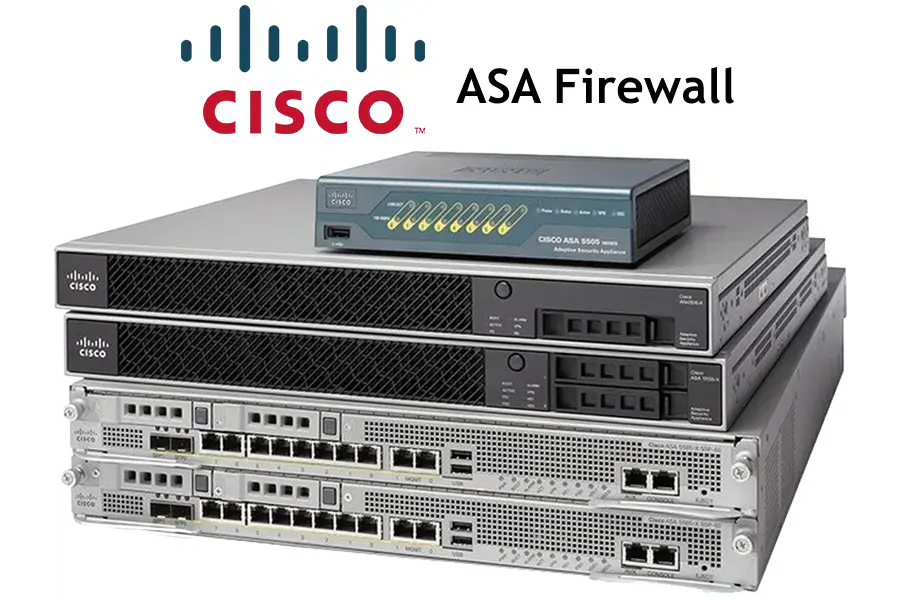
Support and maintenance are long-term considerations that cannot be overlooked. Cisco offers multiple levels of technical support, and each tier affects overall cisco firewall pricing. Organizations that rely on 24/7 uptime, mission-critical operations, or global connectivity often invest in premium support contracts. The latest cisco firewall units generally come with updated firmware and cloud-based diagnostics that help reduce the burden on internal IT teams.
Deployment style also affects costs. Cloud-managed and on-premise firewalls differ in how they integrate with existing infrastructure. While evaluating cisco firewall pricing, companies must factor in installation, configuration, and training expenses. Many of the latest cisco firewall solutions integrate seamlessly with Cisco’s centralized management platforms, helping teams streamline operations and minimize deployment time.
In conclusion, understanding cisco firewall pricing involves more than comparing hardware tags; it requires analyzing the bigger picture—performance, security needs, scalability, support, and licensing. Businesses that take the time to evaluate these aspects can choose a solution that delivers maximum value and long-term protection. With the latest cisco firewall models offering cutting-edge security and powerful threat-prevention technology, organizations can confidently build a secure network foundation that grows with them.


Comments
Post a Comment